
Earthing Switch Explained: Discover the Best Options for Safety and Efficiency
2026-01-23
When it comes to electrical safety and efficiency, one component often flies under the radar yet plays a crucial role: the earthing switch. In industrial and power systems, ensuring proper grounding isn't just a technical detail—it's a fundamental step toward protecting equipment and personnel from hazardous faults. As we explore the best options available, it's essential to partner with trusted names in the industry. That's where Lugao comes in, offering innovative solutions designed to enhance both safety and operational performance. In this blog, we'll dive into what makes an earthing switch effective, highlight key features to look for, and show how choosing the right technology can make all the difference. Whether you're an engineer, facility manager, or simply curious about power systems, get ready to discover insights that could transform your approach to electrical safety.
Understanding the Basics: How Earthing Switches Enhance Electrical Safety
When dealing with high-voltage electrical systems, safety isn't just a priority—it's a necessity woven into every component's design. Earthing switches, often overlooked in casual discussions, serve as critical guardians in this context by providing a direct path to ground during maintenance or faults. This simple yet ingenious mechanism ensures that any residual charge in the equipment dissipates harmlessly into the earth, preventing dangerous electric shocks to personnel and minimizing fire risks from unexpected arcs. By integrating these switches into substations or industrial setups, operators can confidently isolate sections for repair without fearing unforeseen energization.
Beyond mere discharge, earthing switches contribute to system reliability by stabilizing the electrical environment. During abnormal conditions like lightning strikes or short circuits, they help redirect excess current away from sensitive components, thus protecting transformers and circuit breakers from damage. This proactive approach not only extends the lifespan of expensive hardware but also reduces downtime, ensuring that power distribution remains uninterrupted. In essence, these devices act as silent sentinels, constantly ready to neutralize potential threats before they escalate into costly failures.
What sets modern earthing switches apart is their adaptability to diverse applications, from renewable energy farms to urban grids. Innovations in materials and automation allow them to operate swiftly and remotely, enhancing safety without slowing down workflows. By understanding how they function—typically through manual or motorized actuation to connect conductors to ground—you gain insight into why they're indispensable in today's safety-first electrical landscape. Ultimately, they embody a practical solution that marries simplicity with profound impact, making them a cornerstone of responsible electrical management.
Key Features to Look for When Selecting an Earthing Switch
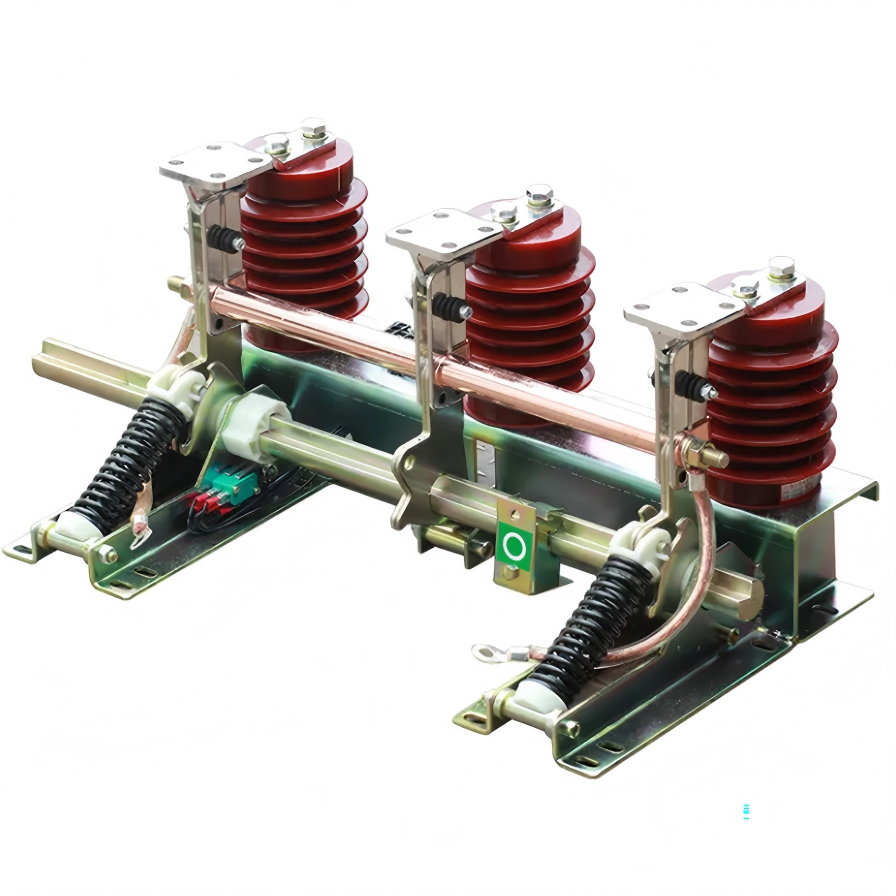
When you're picking out an earthing switch, start by checking its ratings to match your system’s needs. Look at the rated voltage and current—if they’re too low, you might get a switch that overheats or fails under stress. Also, think about the short-circuit rating; a higher one means better durability during faults. Don’t forget environmental factors like humidity or pollution that can impact performance. It’s all about finding a switch that fits your setup without cutting corners.
Another key aspect is the ease of use and maintenance. Go for switches with clear indicators and smooth operation—this helps prevent errors during switching and keeps downtime low. Check if the design allows for quick inspections or part replacements without complex tools. Some models have self-cleaning contacts or corrosion-resistant materials, which reduce upkeep. In busy or harsh conditions, these features make a big difference in reliability and safety.
Lastly, focus on safety certifications and durability. A switch with robust construction and proper insulation minimizes risks like electric shocks or arcing. Look for standards like IEC or IEEE compliance to ensure it’s tested for real-world scenarios. Features such as interlocking mechanisms can prevent accidental operations, adding an extra layer of protection. Considering these points helps you choose a switch that not only works well but also stands the test of time.
Installation Tips for Optimal Performance and Risk Reduction
Getting your system up and running smoothly isn't just about following steps—it's about setting the stage for long-term reliability and safety. Before you even start, breathe in and plan ahead: clear your workspace, gather all necessary tools and parts, and review the manual thoroughly. Missteps during installation can haunt you later, leading to malfunctions or even safety hazards. For instance, ensure all connections are secure and double-check compatibility between components. Think of it as laying a strong foundation for a building; a rushed job here might save you minutes now but cost you hours in repairs down the line.
Beyond the basics, consider environmental factors that could impact performance. Install in a well-ventilated area away from direct heat or moisture, as these can degrade materials over time. Use proper mounting hardware to prevent vibrations or shifts, which can cause wear and tear. Don't forget to test in stages—install, power on, and verify function before moving to the next step. It's like checking your car's oil before a long trip; a quick test now can prevent a breakdown later. Keep a log of your actions so you can backtrack if issues arise, making troubleshooting easier and less stressful.
Lastly, prioritize safety to reduce risks that might not be obvious at first glance. Wear protective gear like gloves or goggles if handling sharp or electrical parts. Follow local codes and manufacturer guidelines strictly, as they're designed to prevent accidents like fires or shocks. After installation, run a full system check to catch any anomalies early. Sharing your experience on forums can help others avoid pitfalls, but remember, every setup is unique—tailor these tips to your specific needs. With a mindful approach, you'll enjoy enhanced performance and peace of mind, knowing you've minimized potential problems from the get-go.
Comparing Different Types of Earthing Switches on the Market
When selecting an earthing switch for electrical systems, it's crucial to understand the distinct types available, as they vary significantly in design, function, and application. For instance, the basic manual earthing switch is straightforward and cost-effective, often used in smaller installations where automation isn't necessary. In contrast, motorized or automated versions streamline operations in high-voltage settings, enhancing safety by reducing human intervention. Some advanced switches incorporate features like interlocking mechanisms to prevent accidental activation, ensuring reliability in critical industries like power distribution and industrial plants. By comparing these options, engineers can pinpoint the best fit based on factors such as voltage requirements, maintenance needs, and budget constraints, ultimately optimizing system performance and safety.
A deeper look reveals that gas-insulated earthing switches stand out for their compactness and efficiency in confined spaces, making them popular in urban substations where space is at a premium. Meanwhile, air-insulated models, though larger, are valued for their simplicity and ease of inspection, suitable for outdoor installations where environmental exposure is a concern. Additionally, hybrid switches that combine earthing and disconnector functions offer versatility, potentially reducing equipment counts and costs in complex grids. Evaluating these types involves weighing trade-offs between upfront investment and long-term operational benefits, such as durability and adaptability to evolving grid technologies, which can significantly impact overall project success and compliance with industry standards.
Ultimately, choosing the right earthing switch requires a tailored approach that considers specific operational contexts and future scalability. For example, some switches are engineered for rapid fault clearing in high-demand systems, while others prioritize manual control for low-risk applications. Innovations like smart switches with remote monitoring capabilities are gaining traction, enabling real-time adjustments and predictive maintenance. By critically assessing these differences, stakeholders can avoid common pitfalls like over-specification or underperformance, ensuring that their selections not only meet immediate needs but also enhance resilience and efficiency across the electrical network, fostering safer and more sustainable energy management practices.
Maintenance Best Practices to Ensure Long-Term Reliability
Regularly scheduled check-ups can prevent small issues from snowballing into major breakdowns. By creating a maintenance calendar, you ensure tasks like lubrication, cleaning, and part replacements are done before problems arise. This proactive approach helps keep everything running smoothly for years.
It's crucial to follow the manufacturer's guidelines for each piece of equipment. Overlooking these instructions might lead to premature wear or void warranties, which can harm reliability. Taking the time to read and adhere to these specs can save you from costly repairs.
Using high-quality replacement parts and materials is key to long-term performance. While cheaper options might seem attractive, they often degrade faster, causing more frequent maintenance. Investing in durability pays off by reducing downtime and extending the asset's life.
Real-World Applications: Where Earthing Switches Make a Critical Difference
When you think about electrical grids, it's easy to picture the big transformers and high-voltage lines that carry power across cities. But in the quieter corners of substations, earthing switches play a surprisingly vital role in keeping everything safe. These devices aren't just backup components; they're the unsung heroes that prevent catastrophic failures during maintenance or emergencies. By grounding live parts when needed, they ensure that workers can safely access equipment without risking electrocution, and they help manage fault currents to protect the system from damage.
Beyond the grid, earthing switches are indispensable in industries like oil and gas, where explosive atmospheres demand meticulous safety measures. In refineries or offshore platforms, a stray spark could trigger a disaster. Here, earthing switches are integrated into shutdown systems to quickly isolate and ground electrical circuits during emergencies, reducing the risk of fires or explosions. Their reliability in harsh environments, from desert heat to ocean spray, makes them a cornerstone of operational safety, often overlooked until they're needed most.
In renewable energy, such as solar farms or wind turbines, earthing switches also prove their worth by managing the intermittent nature of power generation. They facilitate safe maintenance on panels or turbines, ensuring that residual charges don't pose a hazard to technicians. As technology evolves, smart earthing switches with remote monitoring capabilities are emerging, allowing for predictive maintenance and faster response times in real-world scenarios where every second counts for safety and efficiency.
FAQ
An earthing switch is a safety device used in electrical systems to ground high-voltage equipment, ensuring it's de-energized for maintenance by connecting it to the earth, thus preventing electrical shocks and enhancing operational safety.
Earthing switches provide a reliable and visible means of grounding, often with interlocking mechanisms to prevent accidental operation, offering hands-on safety during high-voltage work that simpler methods might lack.
There are various types, including manual, motor-operated, and spring-assisted earthing switches, designed for specific uses in substations, industrial plants, or renewable energy installations to suit operational needs.
By ensuring quick and safe grounding, earthing switches reduce downtime during maintenance, allow for faster equipment servicing, and minimize disruptions, leading to improved overall system efficiency.
Considerations include voltage rating, operating speed, environmental conditions like humidity or temperature, compliance with safety standards, and integration with existing system controls for optimal performance.
Common challenges include wear from frequent use and environmental corrosion; regular inspection, lubrication of moving parts, and testing for proper grounding connection can help maintain reliability and longevity.
Earthing switches can be equipped with sensors and communication modules to enable remote monitoring and automated operation, seamlessly fitting into smart grids for enhanced safety and data-driven management.
Conclusion
An earthing switch is a critical component in electrical systems, enhancing safety by grounding circuits to prevent dangerous electrical faults. Understanding its basics involves recognizing its role in isolating equipment during maintenance and emergencies, ensuring protection against electric shock and arc flashes. When selecting an earthing switch, key features to consider include durability, ease of operation, and compliance with industry standards, which collectively boost efficiency and reliability across various applications.
Installation tips focus on proper positioning and secure connections to minimize risks, while comparing different types—such as fixed or portable models—helps identify the best fit for specific needs. Maintenance best practices, like regular inspections and cleaning, ensure long-term performance, and real-world applications in industries like power generation and manufacturing highlight where these switches make a critical difference in safeguarding workers and equipment. By integrating these aspects, one can discover optimal options that balance safety and efficiency effectively.
Contact Us
Contact Person: Doreen
Email: [email protected]
Tel/WhatsApp: 8618057712366
Website: https://www.liugaopower.com/