
High-Voltage Switchgear Manufacturer: Essential Guide to Power Distribution Solutions
2025-12-24
In the complex world of electrical infrastructure, high-voltage switchgear stands as the unsung hero of power distribution. As industries and communities increasingly rely on stable, efficient energy, the choice of equipment becomes critical. This guide is designed to demystify the role of switchgear in ensuring reliable power delivery, drawing insights from leading experts and real-world applications. At the heart of innovation in this field is Lugao, a brand renowned for its precision engineering and cutting-edge solutions. Their commitment to safety, durability, and performance sets a benchmark in the industry. In the following sections, we'll explore key trends, technologies, and best practices, empowering you to make informed decisions for your power needs. Stay tuned to uncover how modern switchgear is shaping the future of energy management.
Understanding High-Voltage Switchgear: Core Components and Their Functions
High-voltage switchgear serves as the critical backbone of electrical power systems, managing the flow of electricity at elevated voltages typically ranging from 1 kV to 800 kV. These robust assemblies ensure safe and reliable operation in substations, industrial plants, and power generation facilities by isolating faulty circuits, switching loads, and protecting equipment from surges or faults. Their design must withstand extreme electrical stresses while maintaining operational integrity under diverse environmental conditions, making them indispensable for modern grid stability.
At the heart of high-voltage switchgear lie key components like circuit breakers, which swiftly interrupt current during overloads or short circuits, preventing catastrophic damage. Disconnectors provide visible isolation for maintenance, ensuring worker safety by creating a physical gap in the circuit. Meanwhile, current and voltage transformers step down high levels for monitoring and control, feeding data to protective relays that automate responses to anomalies. Together, these elements form a cohesive system that balances power distribution with fail-safe mechanisms.
Beyond basic functionality, advancements in materials and digitalization are reshaping switchgear applications. Innovations such as gas-insulated switchgear (GIS) offer compact, maintenance-friendly alternatives to traditional air-insulated designs, ideal for urban settings with space constraints. Smart sensors and IoT integrations enable real-time diagnostics, predicting failures before they occur and enhancing grid resilience. By integrating these cutting-edge features, modern switchgear not only fulfills its core roles but also adapts to evolving energy demands, supporting renewable integration and decentralized power networks.
Choosing the Right Switchgear Manufacturer: Key Factors for Reliability and Safety
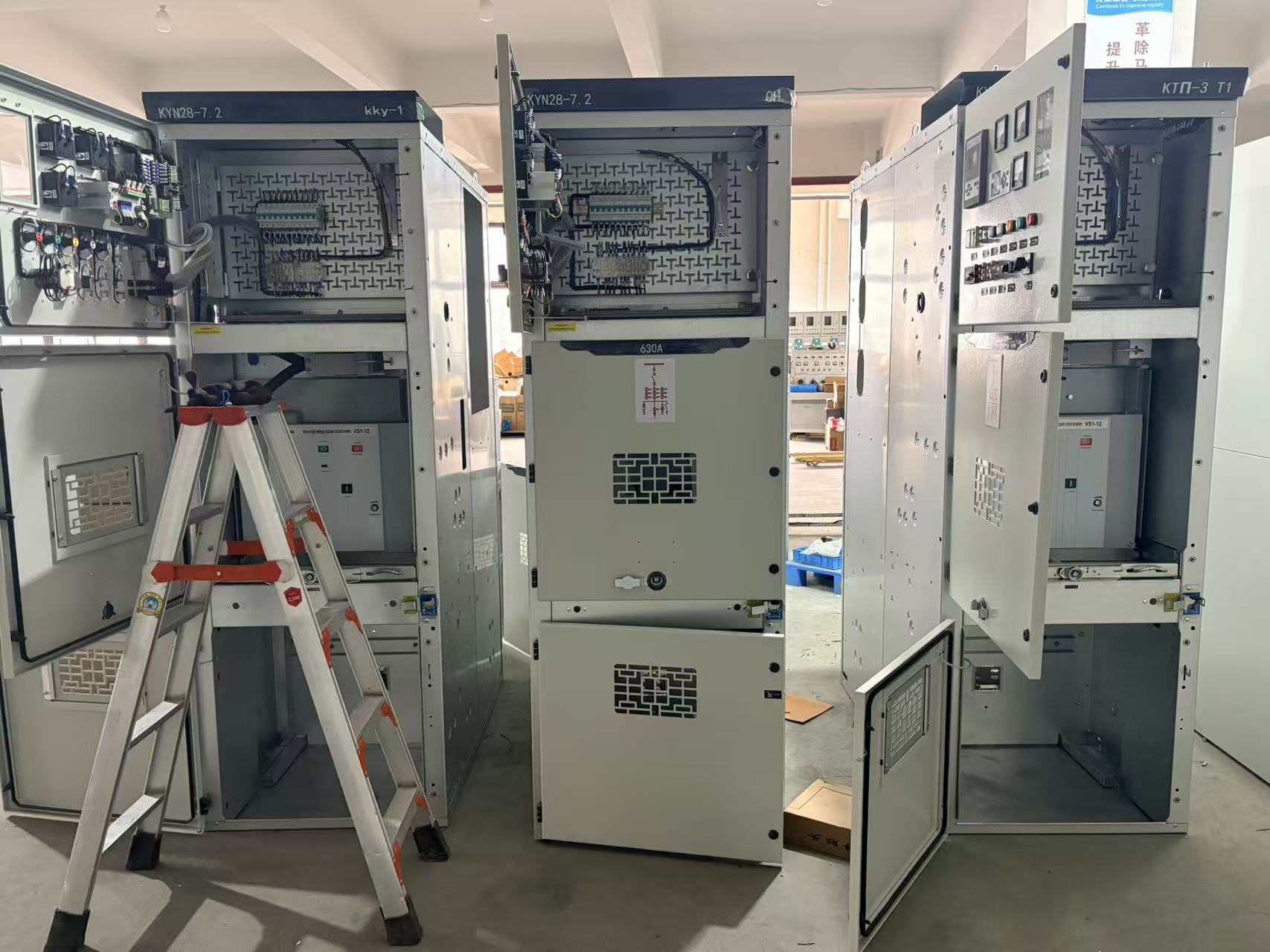
When selecting a switchgear manufacturer, the stakes are high—reliability and safety aren't just checkboxes but the cornerstones of any electrical system's integrity. A manufacturer's track record in delivering durable products that withstand operational stresses and environmental conditions is paramount. Look for firms with rigorous quality control processes, certifications like ISO 9001, and a history of minimal failure rates in real-world applications. Reliability ensures your operations run smoothly without unexpected downtime, while safety features such as arc-flash protection and proper insulation can prevent catastrophic incidents, protecting both personnel and assets.
Beyond certifications, delve into the manufacturer's design philosophy and innovation capabilities. Some companies go beyond standard compliance by integrating smart technologies, like predictive maintenance sensors, that enhance safety through early fault detection. Evaluate their commitment to ongoing research and development—this often translates into more robust, future-proof solutions. A manufacturer that customizes designs to meet specific site challenges, rather than offering one-size-fits-all products, can significantly boost reliability and reduce risks. Ask for case studies or references to gauge how their equipment performs under pressure.
Don't overlook the human element: manufacturer support plays a crucial role in long-term safety and reliability. Choose a partner with responsive technical assistance, comprehensive training programs, and readily available spare parts. A strong after-sales service can mean the difference between a minor hiccup and a major outage. Ultimately, the right manufacturer isn't just a supplier but a collaborative ally invested in your system's success, ensuring that every switchgear component contributes to a safer, more dependable electrical infrastructure.
Innovations in Power Distribution: How Modern Switchgear Enhances Efficiency
In today's rapidly evolving energy landscape, the push for more efficient and reliable power distribution has led to significant advancements in switchgear technology. Modern switchgear systems are designed with intelligent monitoring capabilities that allow for real-time data analysis, enabling operators to detect potential faults before they escalate into costly outages. This proactive approach not only reduces downtime but also enhances overall system resilience, ensuring a steady flow of electricity to homes and businesses.
Another key innovation lies in the use of compact, modular designs that optimize space utilization in substations and industrial settings. By incorporating lightweight, durable materials like gas-insulated switchgear (GIS), these systems require less maintenance and can operate in harsh environments with minimal degradation. This translates to lower operational costs and extended equipment lifespans, making them a smart investment for utilities striving to meet growing energy demands sustainably.
Forward-thinking manufacturers are also integrating renewable energy sources seamlessly into distribution networks through advanced switchgear. With features like adaptive load balancing and dynamic voltage regulation, modern systems can efficiently manage intermittent power from solar or wind farms, stabilizing the grid and reducing reliance on fossil fuels. As a result, these innovations not only boost operational efficiency but also support broader environmental goals, paving the way for a greener, more resilient power infrastructure.
Custom Solutions for Diverse Industries: Tailoring Switchgear to Specific Needs
In today's fast-paced industrial landscape, one-size-fits-all approaches often fall short. That's why manufacturers are increasingly turning to custom switchgear solutions, designed with precision to meet the unique demands of various sectors. For example, in the oil and gas industry, where harsh environments and explosive atmospheres are common, switchgear is tailored with enhanced sealing, corrosion-resistant materials, and specialized safety features. This ensures reliable performance in remote drilling sites or offshore platforms, minimizing downtime and boosting operational safety. By addressing specific industry challenges, custom switchgear not only improves efficiency but also reduces long-term maintenance costs.
Beyond traditional sectors, emerging industries like renewable energy and data centers require switchgear that adapts to their distinct needs. In wind farms, for instance, compact and modular designs are essential to fit into tight nacelle spaces, while prioritizing rapid isolation for maintenance during high winds. Meanwhile, data centers depend on ultra-reliable, low-loss switchgear to support critical uptime and energy efficiency goals, often incorporating smart monitoring systems for real-time diagnostics. This level of customization allows businesses to scale operations seamlessly, enhancing resilience and supporting sustainable growth without compromising on performance.
What truly sets these tailored solutions apart is the collaborative design process. Engineers work closely with clients to understand operational workflows, regulatory requirements, and future expansion plans. This partnership leads to innovations like hybrid switchgear that combines air-insulated and gas-insulated technologies for space-constrained urban applications, or IoT-enabled units that provide predictive analytics for proactive maintenance. By focusing on specificity rather than standardization, companies can achieve a competitive edge, ensuring their switchgear evolves alongside industry trends and technological advancements.
Maintenance and Lifecycle Management: Ensuring Long-Term Performance of Switchgear
Effective maintenance and lifecycle management are crucial for guaranteeing the long-term reliability and efficiency of switchgear systems. Without proactive care, these critical components in electrical distribution can degrade over time, leading to unexpected failures that disrupt operations and inflate costs. Regular inspections and testing help identify potential issues before they escalate, ensuring that switchgear continues to function optimally throughout its service life.
A well-structured maintenance plan goes beyond routine checks by incorporating advanced diagnostic tools and data analytics to predict wear and tear. This predictive approach allows operators to schedule repairs or replacements during planned downtime, minimising downtime and extending the overall lifespan of the equipment. Tailoring strategies to specific environmental conditions and usage patterns further enhances performance, ensuring that switchgear adapts to evolving operational demands.
Moreover, lifecycle management involves strategic decision-making around upgrades and end-of-life considerations, balancing cost-effectiveness with safety standards. By investing in sustainable practices and modern technology, such as retrofitting existing systems with smart sensors, organizations can future-proof their switchgear assets, reducing long-term risks and maximising return on investment while maintaining compliance with industry regulations.
Future Trends in High-Voltage Technology: What’s Next for Power Distribution
Traditional power grids are undergoing radical transformations as high-voltage technology leaps forward, driven by the global push for renewable energy integration and decarbonization. Innovations in materials, such as high-temperature superconductors and advanced insulation composites, are enabling more efficient long-distance transmission while reducing energy losses. Smart grid technologies, including real-time monitoring systems and automated fault detection, are being integrated into high-voltage networks to enhance reliability and resilience against extreme weather events and cyber threats. These advancements not only support the shift towards distributed energy resources like solar and wind farms but also pave the way for intercontinental power connections, facilitating a more interconnected and sustainable energy ecosystem.
In the near future, high-voltage direct current (HVDC) systems are poised to play a starring role in modernizing power distribution. Unlike alternating current (AC), HVDC offers lower transmission losses over vast distances, making it ideal for offshore wind farms and undersea cables that link energy-rich regions to urban centers. Emerging trends include the development of modular multilevel converters, which allow for greater flexibility in voltage control and easier integration with renewable sources. These systems are complemented by digital twin simulations that optimize grid performance and predict maintenance needs, reducing downtime and costs. As countries invest in cross-border energy corridors, HVDC technology will be key to balancing supply and demand across diverse geographic areas, ensuring a stable power flow even as consumption patterns evolve with electric vehicle adoption and industrial electrification.
Looking ahead, the convergence of artificial intelligence and blockchain could revolutionize how high-voltage networks are managed and secured. AI algorithms are being deployed to analyze vast datasets from sensors along transmission lines, enabling predictive analytics that anticipate equipment failures or grid congestion before they cause outages. Meanwhile, blockchain technology offers a decentralized approach to energy trading, allowing prosumers—those who both produce and consume electricity—to seamlessly sell excess power back to the grid through smart contracts. This peer-to-peer model, supported by robust high-voltage infrastructure, empowers communities and businesses to participate actively in the energy market, fostering a more democratic and efficient distribution system. Ultimately, these trends signal a future where power distribution is not only smarter and greener but also more adaptable to the dynamic needs of a rapidly changing world.
FAQ
High-voltage switchgear typically includes circuit breakers, disconnect switches, current and voltage transformers, protective relays, and control panels, ensuring safe and reliable operation in electrical grids.
It isolates faults, prevents overloads, and allows maintenance without shutting down entire systems, reducing risks of electrical accidents and downtime.
Consider certifications like ISO, testing standards, customizability, after-sales support, and experience with similar projects to ensure compatibility and long-term reliability.
Advanced designs minimize energy losses through better insulation and switching mechanisms, optimizing grid performance and reducing operational costs.
Challenges include dust accumulation and component wear; regular inspections, predictive maintenance, and using quality spare parts help mitigate these issues.
IoT sensors and real-time data analytics enable proactive maintenance, enhance fault detection, and support smart grid integration, boosting overall system intelligence.
Tailored solutions fit unique space constraints or environmental conditions, improving installation efficiency and meeting specific regulatory or operational demands.
It manages variable power flows from sources like solar and wind, ensuring stable grid connections and facilitating the transition to sustainable energy systems.
Conclusion
The essential guide to power distribution solutions begins with a deep dive into high-voltage switchgear, exploring its core components and their crucial functions in managing electrical systems. Understanding these elements is fundamental, as they ensure safe and efficient power distribution across various applications. Innovations in modern switchgear have significantly enhanced energy efficiency, integrating advanced technologies that optimize performance while reducing operational costs. This evolution highlights the importance of choosing the right switchgear manufacturer, where key factors like reliability and safety play a pivotal role in ensuring durable and compliant solutions. By prioritizing these aspects, industries can achieve robust power management tailored to their specific needs.
Custom solutions offered by leading manufacturers address diverse industrial requirements, from manufacturing plants to energy grids, ensuring that switchgear is precisely adapted to unique operational demands. Maintenance and lifecycle management are critical for sustaining long-term performance, with proactive strategies minimizing downtime and extending equipment lifespan. Looking ahead, future trends in high-voltage technology promise further advancements, such as smart grid integration and enhanced sustainability features, which will redefine power distribution. By embracing these innovations, companies can stay ahead in an evolving landscape, securing efficient and resilient energy solutions for years to come.
Contact Us
Contact Person: Doreen
Email: [email protected]
Tel/WhatsApp: 8618057712366
Website: https://www.liugaopower.com/