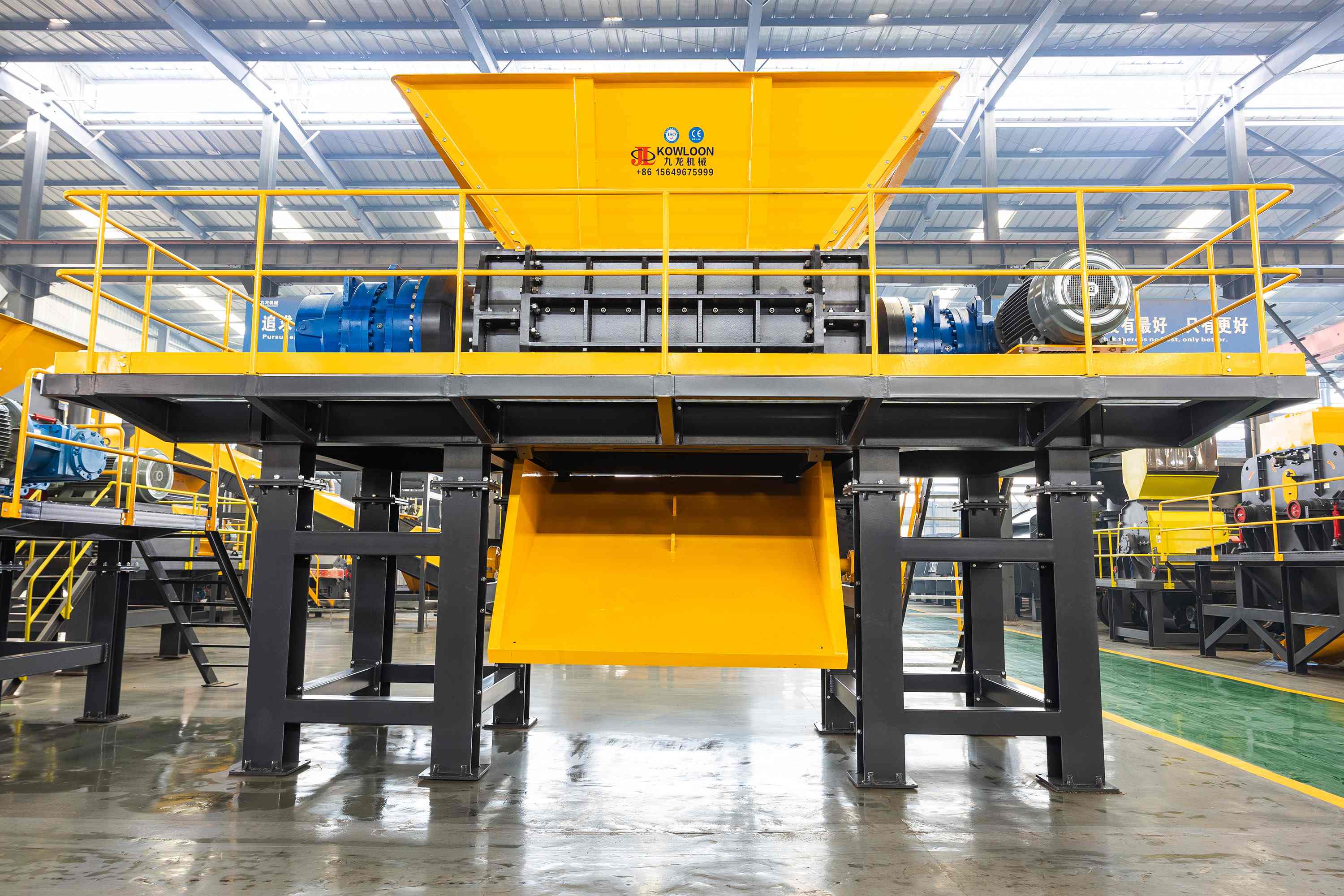
Metal Shredder Company: Innovations in Scrap Processing and Recycling Solutions
2026-03-28
In the heart of the global recycling revolution, where the clamor of scrap processing meets the demand for sustainable solutions, one company stands at the forefront of cutting-edge innovation: Kowloon Machinery. As a leader in the metal shredding industry, we're not just breaking down materials—we're building a smarter, more efficient future. Dive into how our advanced technologies and tailored recycling systems are transforming waste into value, driving environmental progress, and setting new standards in the field. Get ready to explore the groundbreaking work that defines Kowloon Machinery's impact on scrap processing and beyond.
Cutting-Edge Technology in Metal Shredding and Sorting
In the realm of metal processing, cutting-edge shredding and sorting technologies are revolutionizing how we handle industrial and post-consumer metals, pushing efficiency and sustainability to new heights. Advanced shredders now incorporate designs that minimize energy consumption while maximizing throughput, such as dual-shaft and single-shaft configurations tailored for different metal types, from ferrous to non-ferrous materials. These machines often feature robust, wear-resistant components and real-time monitoring systems to prevent downtime and optimize performance, ensuring consistent processing rates even under heavy loads.
Sorting has seen remarkable innovations with the integration of AI and sensor-based systems, which enable high-precision separation based on material properties like density, conductivity, and color. Technologies such as eddy current separators, X-ray fluorescence (XRF) analyzers, and hyperspectral imaging allow for real-time identification and diversion of metals into distinct streams, reducing contamination and enhancing the purity of recovered materials. This not only boosts recycling rates but also supports circular economy goals by providing high-quality feedstock for manufacturing.
Beyond traditional methods, emerging trends include automated robotic arms and IoT-connected devices that streamline the entire shredding and sorting workflow, from initial feeding to final baling. These smart systems analyze data to predict maintenance needs and adjust operations dynamically, making facilities more adaptive and cost-effective. As these technologies evolve, they pave the way for a greener industrial landscape, demonstrating how innovation can turn metal waste into valuable resources with minimal environmental impact.
Sustainable Practices and Environmental Impact Reduction
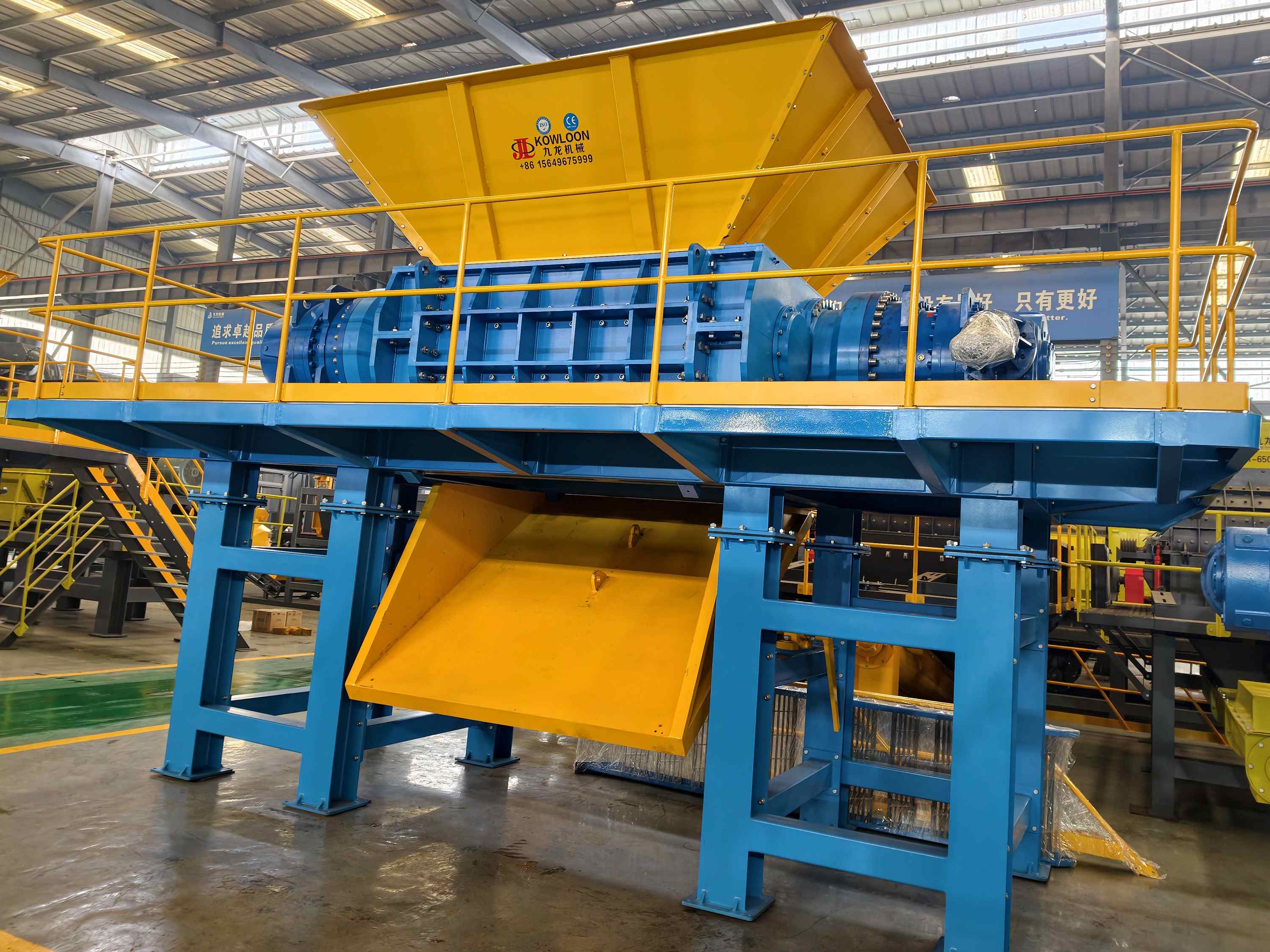
When it comes to sustainable practices, it’s not just about following trendy buzzwords—it’s a real commitment to making meaningful changes that lessen our environmental footprint. For many businesses, this means reevaluating everything from supply chains to daily operations, ensuring that every step aligns with eco-friendly principles. Simple shifts like reducing energy consumption through LED lighting or implementing waste reduction programs can have a profound impact over time, turning small actions into significant environmental gains.
A key aspect of reducing environmental impact involves innovating beyond the basics. Some companies are diving deep into circular economy models, where materials are reused and recycled endlessly, cutting down on raw resource extraction. Others are leveraging technology to track and minimize emissions, creating transparent reports that hold them accountable. This proactive approach doesn’t just help the planet—it often leads to cost savings and stronger community ties, proving that sustainability can drive both ecological and economic benefits.
Ultimately, embedding sustainability into core values requires ongoing effort and adaptability. It’s about fostering a culture where employees and stakeholders actively participate in green initiatives, from carpooling programs to supporting local conservation projects. By prioritizing long-term health over short-term convenience, we can collectively move toward a future where environmental stewardship isn’t an add-on but an integral part of how we operate and thrive.
Customized Solutions for Diverse Scrap Processing Needs
At our scrap processing facility, we recognize that no two waste streams are exactly alike. Whether you're dealing with construction debris, manufacturing leftovers, or unique industrial byproducts, our team digs deep to understand your specific challenges. We start with a thorough assessment of your materials, volume, and goals, then tailor our approach to ensure efficient and cost-effective handling that fits your operations seamlessly.
Our solutions don't stop at sorting and shredding; we go further by integrating advanced technologies like AI-driven sorting systems and real-time monitoring tools. This allows us to adapt on the fly, maximizing recovery rates and minimizing waste, all while keeping things simple for you. We're committed to delivering results that not only meet but exceed expectations, helping you turn scrap into valuable resources without the hassle.
Looking ahead, we continuously refine our processes based on client feedback and industry trends, ensuring our offerings stay innovative and responsive. With a focus on sustainability and efficiency, we empower businesses to manage their scrap with confidence, fostering long-term partnerships built on trust and tangible outcomes.
Boosting Efficiency with Advanced Automation in Recycling
Advanced automation in recycling isn't just about robots sorting trash—it's revolutionizing how we handle waste from collection to processing. By integrating smart sensors and AI-driven systems, facilities can now identify materials with incredible precision, reducing contamination rates that often plague manual sorting. For instance, optical sorters can distinguish between similar plastics like PET and HDPE in milliseconds, ensuring purer streams that fetch higher market prices and require less downstream refinement.
Beyond sorting, automation extends to logistics and data management, streamlining operations in ways that manual methods can't match. Automated conveyor systems adapt in real-time to incoming waste volumes, while predictive analytics forecast material flows, helping plants allocate resources efficiently. This reduces downtime and energy consumption, contributing to a more sustainable cycle where every step—from a household bin to a reprocessing plant—is optimized for minimal environmental impact.
In practice, these advancements are making recycling more economically viable and scalable, particularly in urban areas with high waste output. By reducing reliance on labor-intensive processes, automation lowers operational costs and enhances safety, while the consistent quality of sorted materials boosts their reuse potential. As technology evolves, we're seeing a shift towards closed-loop systems where automation not only boosts efficiency but also drives circular economies, turning waste into valuable resources without compromising on speed or accuracy.
Innovative Approaches to Metal Recovery and Upcycling
Recent years have seen a remarkable shift towards inventive techniques for reclaiming metals, moving far beyond simple recycling. For instance, bioleaching employs specific bacteria to extract valuable metals from low-grade ores and electronic waste, offering a greener alternative to traditional smelting. This method not only reduces energy consumption but also minimizes toxic byproducts, making it a standout choice in sustainable metal recovery.
Another cutting-edge approach involves upcycling discarded metals into higher-value products, such as transforming scrap aluminum into durable construction materials or repurposing copper from old wiring into artistic home decor. Unlike conventional recycling that often downgrades materials, upcycling adds creative value and extends metal lifecycles, setting new standards for resource efficiency.
Innovations like hydrometallurgy and electrochemical recovery are also gaining traction, enabling precise separation of rare earth elements from complex sources like batteries and industrial sludge. These advanced methods highlight how technological integration can drive both environmental and economic benefits, reshaping the metal industry with smarter, circular solutions.
Expanding Global Reach and Client Success Stories
In today's fast-paced business world, our team has made significant strides in expanding our global reach, establishing a presence in over 50 countries. From bustling urban centers to emerging markets, we've tailored our strategies to resonate with diverse cultures and needs, fostering partnerships that drive innovation and growth. This expansion isn't just about numbers; it's about building a robust network that enhances our ability to deliver cutting-edge solutions worldwide.
Our client success stories truly bring this global journey to life. Take a look at our collaboration with a tech startup in Singapore, where customized software solutions helped them scale operations by 200% in just two years. Or consider the case of a manufacturing firm in Germany, where our data analytics services optimized their supply chain, leading to a 30% reduction in costs and improved sustainability efforts. These examples highlight how our approach adapts to local challenges while maintaining a consistent standard of excellence.
By focusing on real-world impact rather than mere expansion metrics, we ensure that every new market entry enriches both our portfolio and the communities we serve. This holistic perspective sets us apart, blending global ambition with localized expertise to create lasting value for clients around the globe.
FAQ
Metal Shredder Company has pioneered several advancements, including AI-driven sorting systems that identify materials with precision, high-torque shredders for tougher alloys, and closed-loop water recycling in processing plants to minimize environmental impact.
Their solutions reduce landfill waste by up to 95% through efficient material recovery, cut carbon emissions with energy-efficient shredding tech, and promote circular economy models by transforming scrap into reusable raw materials for industries like automotive and construction.
The shredders use adaptive hydraulic systems that adjust torque based on material density, incorporate wear-resistant alloys in blades for longevity, and feature real-time monitoring via IoT sensors to optimize performance and prevent downtime.
They handle a wide range, from ferrous metals like steel and iron to non-ferrous types such as aluminum and copper, including complex items like e-waste and end-of-life vehicles, with specialized attachments for different material streams.
Safety enhancements include automated feed systems to reduce manual handling, noise-dampening enclosures for quieter operations, and advanced emergency stop mechanisms with fail-safe protocols to protect workers in high-risk environments.
Their approach integrates custom-designed shredding lines tailored to client needs, offers ongoing R&D partnerships for tech upgrades, and focuses on total lifecycle management, from initial scrap intake to final product output, ensuring efficiency and sustainability.
Conclusion
The Metal Shredder Company distinguishes itself in the scrap processing industry through a multifaceted commitment to innovation and sustainability. Its operations integrate cutting-edge technology in metal shredding and sorting, enabling precise material recovery and purity. Beyond equipment, the company prioritizes sustainable practices to minimize environmental impact, such as reducing emissions and conserving resources throughout the recycling chain. These efforts are complemented by tailored solutions that address diverse client needs, from small-scale operations to large industrial demands, ensuring versatility and adaptability.
Advanced automation plays a pivotal role in boosting efficiency, streamlining workflows, and enhancing throughput without compromising quality. Innovative approaches to metal recovery and upcycling further elevate the company's offerings, transforming waste into valuable resources through creative reprocessing techniques. As part of its growth strategy, the Metal Shredder Company expands its global reach, supported by numerous client success stories that highlight reliability and impact. This holistic blend of technological prowess, environmental stewardship, and customer-centric innovation positions the company as a leader in modern recycling solutions.
Contact Us
Contact Person: Ray
Email: [email protected]
Tel/WhatsApp: +86 13733817580
Website: https://www.zzkowloon.com/