
Solar Mounting Systems: The Ultimate Guide to Custom Roof Solutions for Your Home
2026-01-14
Thinking about going solar? You're not alone. As more homeowners seek sustainable energy solutions, the right solar mounting system can make all the difference. In this ultimate guide, we'll explore custom roof solutions tailored to your home's unique needs. At Energet Solar, we believe that a perfect fit starts with understanding your roof's potential. Get ready to discover how innovative design and expert installation can transform your energy goals into reality. Let's dive in.
Understanding Solar Mounting Systems: Tailored Roof Solutions
When it comes to installing solar panels, one size does not fit all—especially on roofs. Tailored roof solutions in solar mounting systems are designed to adapt to diverse architectural styles and structural conditions, ensuring optimal performance and longevity. For instance, a sloped roof in a traditional home might require railing-based mounts that follow the pitch, while a flat commercial roof could benefit from ballasted systems that avoid penetration. By customizing these setups, installers can maximize energy capture based on factors like sun exposure, roof material, and local weather patterns, making each installation uniquely efficient and secure.
Beyond aesthetics, tailored solutions address practical challenges, such as handling varying roof loads or integrating with existing features like skylights or vents. This approach not only enhances the system's durability but also simplifies maintenance over time. Homeowners and businesses can enjoy peace of mind knowing their solar array is specifically engineered for their property, reducing risks of damage and improving return on investment through reliable energy production.
In practice, achieving a tailored solution involves thorough site assessments and collaboration between engineers and installers. It's about crafting a mount that feels like a natural extension of the roof, blending functionality with seamless design. This personalized attention ensures that solar energy systems not only power homes effectively but also contribute to sustainable living by leveraging every roof's unique potential.
Selecting the Right Rooftop Solar Mount for Your Home
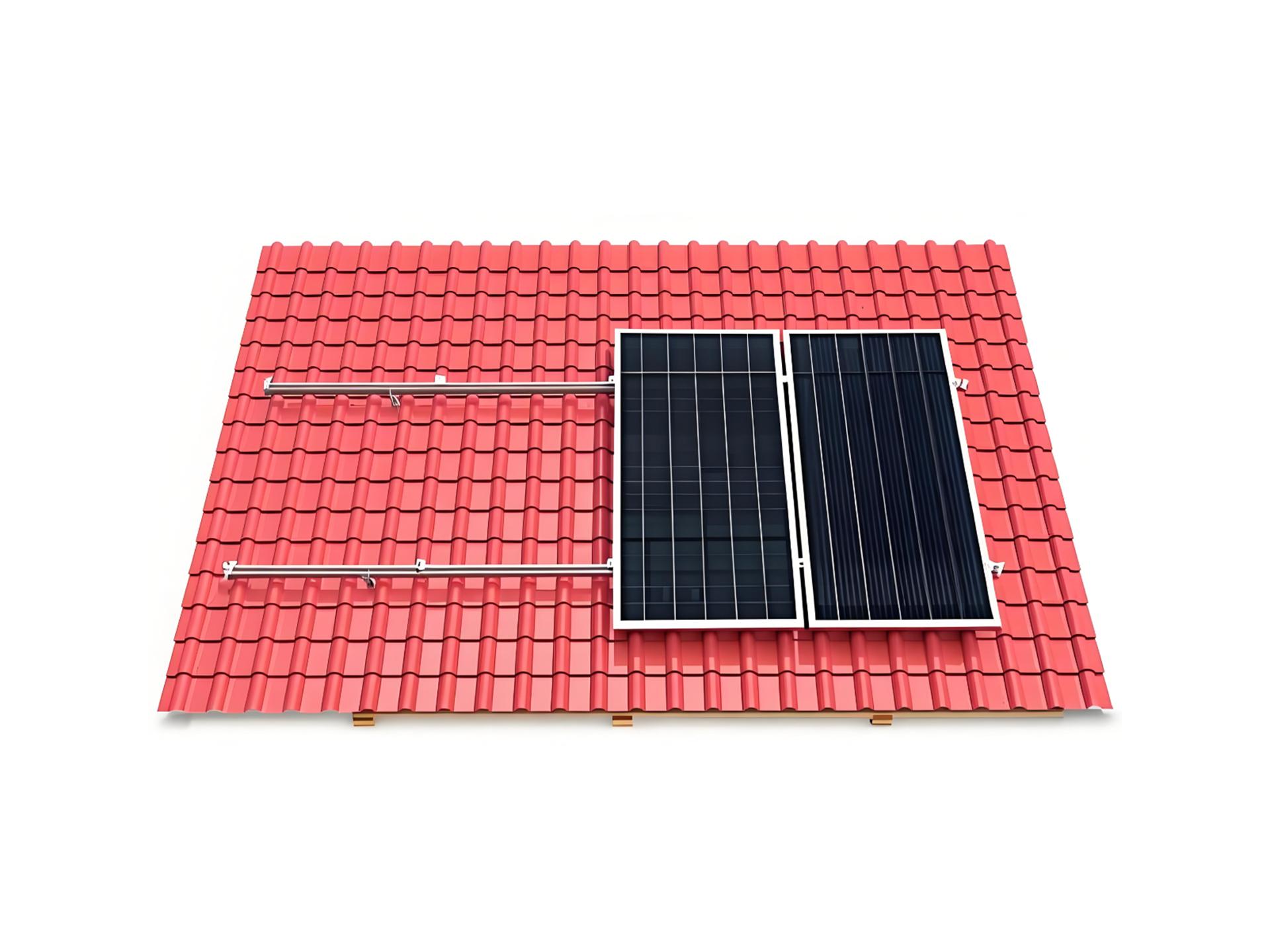
When you're ready to harness solar energy for your home, choosing the perfect rooftop mount can feel like a daunting task. It's not just about slapping panels on the roof; it's about finding a system that fits your specific roof material, local climate, and energy needs. Some mounts clamp onto tiles without drilling, while others bolt into rafters for extra stability—matching the mount to your roof's structure is key to a secure and efficient setup that lasts for years.
Beyond the basics, innovative mounts now offer adjustable angles to catch more sun throughout the day or seasons, boosting your power output without needing a full roof rework. For homeowners in windy or snowy areas, robust materials like aluminum or stainless steel provide the durability to withstand harsh weather, ensuring your investment stays protected. Taking the time to consult with installers and compare options tailored to your house's unique features can lead to smarter energy savings and a seamless integration into your home's aesthetics.
Installation Best Practices for Custom Solar Roof Systems
When planning the installation of a custom solar roof system, it's crucial to start with a thorough site assessment. This isn't just about checking roof dimensions or sun exposure; consider the local climate patterns, such as frequent storms or heavy snowfall, which might require reinforced mounting or specific panel types. Engaging with a certified installer who has experience in your area can uncover hidden challenges, like shading from nearby trees or building codes that affect placement. Don't rush this phase—getting it right upfront saves headaches later and ensures your system is tailored to your home's unique needs.
Choosing high-quality, compatible components is another key step that often gets overlooked. It's not enough to pick the shiniest panels; ensure that the inverters, wiring, and mounting hardware are designed to work together seamlessly under your specific conditions. For instance, if you're in a humid region, opt for corrosion-resistant materials or consider integrated solutions that reduce potential leak points. A modular approach, where parts can be easily upgraded or replaced, adds flexibility over the system's lifespan, making it more resilient to future technological advances or changes in energy usage.
Lastly, focus on long-term maintenance and safety during installation to avoid common pitfalls. This means planning for easy access to components for cleaning and inspections, such as avoiding tight spaces that trap debris or hinder repairs. Proper sealing and weatherproofing around roof penetrations are non-negotiable—it's better to invest a bit more time here than deal with leaks later. Also, ensure that all electrical connections meet local safety standards, and consider adding monitoring tools to track performance in real-time, which helps catch issues early and keeps your system running smoothly for years to come.
Evaluating Materials and Durability in Solar Mounts
When choosing materials for solar mounts, it's crucial to consider not just cost but also long-term performance and environmental impact. Aluminum, for instance, is lightweight and resistant to corrosion, making it a popular choice for ground and rooftop installations, but it might not hold up as well in high-wind areas compared to steel. Steel offers greater strength and durability, which can be essential for large-scale solar farms, yet it requires coatings to prevent rust, adding to maintenance needs over time. By evaluating these trade-offs upfront, installers can tailor solutions that ensure the structure lasts as long as the solar panels themselves.
Assessing durability goes beyond material selection; it involves testing components under real-world conditions. This means exposing mounts to extreme weather, like heavy snow loads or intense UV radiation, to simulate years of wear. In regions prone to coastal salt spray or industrial pollution, using stainless steel or specialized alloys can prevent premature degradation. By implementing rigorous testing protocols, manufacturers can predict lifespan and recommend specific materials that enhance reliability, reducing the risk of structural failures and ensuring continuous energy generation without frequent replacements.
Innovative material blends and manufacturing techniques are reshaping the durability landscape for solar mounts. For example, some companies are developing composites that combine the lightness of aluminum with the robustness of steel, offering a balanced option for diverse climates. Additionally, advancements in galvanization and powder coatings improve corrosion resistance, extending the life of metal components even in harsh environments. By focusing on these evolving materials, the solar industry can push beyond standard practices, creating mounts that are not only durable but also sustainable, aligning with broader goals for renewable energy infrastructure.
Enhancing Home Energy Efficiency with Precise Solar Placement
When it comes to boosting your home's energy efficiency, solar panels often come to mind, but many homeowners overlook the critical role of placement. It's not just about slapping panels on the roof; it's about strategic positioning that maximizes sunlight exposure throughout the year. For instance, in the Northern Hemisphere, angling panels slightly southward can capture more direct sun, especially during winter months when the sun is lower in the sky. This careful alignment ensures your system generates more power with fewer panels, reducing both upfront costs and long-term energy bills. Think of it as fine-tuning your setup to work smarter, not harder, turning passive sunlight into active savings for your household.
Beyond orientation, factors like shading and roof slope play a huge part in solar efficiency. Trees, chimneys, or neighboring buildings can cast shadows that significantly drop panel output, even if they're only blocking sunlight for a few hours a day. By conducting a detailed site assessment—maybe using tools like solar pathfinders or drone imaging—you can identify these obstructions and adjust panel placement accordingly. This might mean installing panels on a different section of the roof or even considering ground-mounted options. The goal is to create a seamless flow of energy by eliminating bottlenecks, making your home's solar investment truly pay off day after day.
Ultimately, precise solar placement transforms energy efficiency from a vague concept into a tangible benefit. When panels are optimally positioned, they not only produce more electricity but also reduce strain on the grid, potentially earning you credits through net metering programs. It's a win-win: you lower your carbon footprint while enhancing your home's value. So, before diving into solar installation, take the time to plan meticulously—it's the difference between a system that merely functions and one that excels, powering your home with clean, reliable energy for years to come.
Future Trends in Residential Solar Mounting Innovations
As homeowners increasingly embrace solar energy to cut costs and reduce their carbon footprint, mounting systems are evolving beyond basic racks. We're seeing a shift toward integrated designs that blend seamlessly with roofing materials, making installations almost invisible. These innovations not only enhance curb appeal but also improve durability, with materials like lightweight aluminum alloys and weather-resistant composites becoming standard, ensuring panels withstand harsh climates for decades.
Another emerging trend is the rise of smart mounting solutions, which incorporate sensors and IoT connectivity to monitor performance in real-time. Imagine a system that automatically adjusts panel angles to capture maximum sunlight throughout the day, optimizing energy production without manual intervention. This tech-driven approach is paired with modular designs, allowing for easy expansion as household energy needs grow, making solar setups more flexible and future-proof.
Looking ahead, expect mounting innovations to focus on sustainability and ease of installation. Companies are developing eco-friendly options, such as recyclable components and systems that minimize roof damage during setup. Additionally, DIY-friendly kits are gaining traction, empowering homeowners to tackle installations themselves, reducing labor costs and speeding up adoption. These trends collectively point to a future where solar mounting is not just functional but a key enabler of efficient, accessible clean energy at home.
FAQ
Custom solar mounting systems ensure optimal panel alignment and secure installation, tailored to your roof's unique shape and material. This enhances energy efficiency, reduces wear on roofing components, and can increase property value by providing a sleek, integrated look that complements your home's aesthetics.
They use specialized clamps, flashings, and rails designed for specific materials—for example, low-profile brackets for asphalt to prevent leaks, or corrosion-resistant fasteners for metal roofs. This customization prevents damage, ensures watertight seals, and maintains the roof's structural integrity over time.
Yes, experienced installers can design discreet or adaptive systems that preserve historical features, using color-matched components or concealed wiring. This allows for solar integration without compromising the home's character, often requiring detailed assessments to meet local preservation guidelines.
Key factors include local wind speeds, snow loads, and sun exposure patterns. Custom systems account for these by using reinforced materials and adjustable angles, ensuring durability in harsh climates and maximizing energy harvest based on seasonal changes.
Installation involves a thorough roof inspection, 3D modeling, and precise measurements to create bespoke components. Unlike one-size-fits-all racking, this process minimizes drilling, reduces labor time, and allows for seamless integration with existing roof structures for a cleaner finish.
While initial costs may be higher due to tailored engineering, long-term savings from improved efficiency and durability often offset this. Many regions offer tax credits or rebates for solar installations, making custom setups more affordable and cost-effective over time.
Routine checks for loose fasteners, debris buildup, and panel alignment are recommended, typically once or twice a year. Custom designs often include easy-access features, reducing maintenance efforts and helping panels remain efficient for decades with minimal upkeep.
Conclusion
Solar mounting systems represent a crucial component in residential solar installations, offering customized solutions that adapt to diverse roof types and architectural styles. This comprehensive guide delves into the fundamentals of these systems, emphasizing tailored approaches that consider factors like roof pitch, material, and structural integrity. From selecting the right mount to evaluating durable materials, homeowners can make informed decisions that enhance both functionality and aesthetics. By integrating insights on precise placement and efficiency, the guide underscores how optimized solar arrays maximize energy production while blending seamlessly into home environments.
Beyond installation best practices, the guide explores emerging trends in residential solar mounting, highlighting innovations that improve durability, ease of use, and sustainability. It addresses future advancements such as lightweight designs and smart integration, ensuring systems remain resilient against weather and wear. Readers gain practical advice on enhancing overall home energy efficiency through strategic solar placement, ultimately fostering long-term savings and environmental benefits. This resource empowers individuals to navigate the complexities of solar setups with confidence, making it an essential tool for anyone considering renewable energy upgrades.
Contact Us
Contact Person: Simon
Email: [email protected]
Tel/WhatsApp: 8613672181100
Website: https://energetsolar.com/
