
Zero-Sequence Transformer: Unlocking Efficient Power System Solutions in Modern Manufacturing
2026-01-09
In the rapidly evolving landscape of modern manufacturing, power systems face unprecedented challenges—from increasing energy demands to the integration of renewable sources. Enter the Lugao-backed Zero-Sequence Transformer, a groundbreaking innovation that promises to unlock efficient and sustainable solutions. This blog delves into how this technology is revolutionizing power management, ensuring reliability while minimizing losses. Join us as we explore the potential of the Zero-Sequence Transformer, brought to you by Lugao, and discover how it's poised to reshape manufacturing for a smarter, greener future.
Exploring the Core Innovations of Zero-Sequence Transformer Technology
In the realm of electrical engineering, zero-sequence transformer technology has emerged as a pivotal innovation, particularly in enhancing power system stability and safety. At its core, these transformers address the challenges posed by asymmetrical faults, such as ground faults, by isolating and managing the zero-sequence currents that arise under unbalanced conditions. Unlike traditional transformers, which may struggle with such phenomena, zero-sequence variants are specifically designed with unique windings and configurations to detect and mitigate these currents effectively. This capability not only prevents damage to equipment but also reduces the risk of electrical fires, making it a critical component in modern grid infrastructure.
One standout feature of this technology is its adaptability across diverse applications, from industrial settings to renewable energy integration. For instance, in wind farms or solar installations, where unpredictable weather can lead to irregular power flows, zero-sequence transformers help maintain balance by compensating for harmonic distortions and ensuring smoother operation. Moreover, their implementation in sensitive environments like data centers underscores their role in safeguarding against outages and improving overall efficiency. By focusing on real-world utility rather than theoretical constructs, these transformers offer tangible benefits that resonate with engineers seeking practical solutions to complex power issues.
Looking ahead, ongoing research is pushing the boundaries of zero-sequence transformer design, incorporating smart materials and digital monitoring systems. Innovations such as integrated sensors and IoT connectivity allow for real-time diagnostics and predictive maintenance, further enhancing reliability. As industries increasingly prioritize sustainability and resilience, this technology is poised to evolve, offering greener alternatives and cost-effective adaptations. By staying attuned to these advancements, professionals can better leverage zero-sequence transformers to build more robust and future-proof electrical networks.
Advancing Efficiency in Power Distribution for Manufacturing Industries
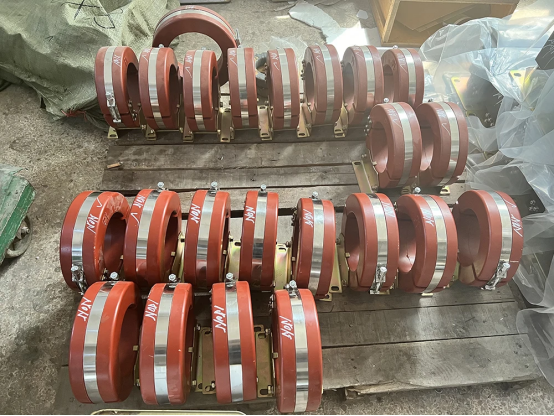
In the manufacturing sector, optimizing power distribution isn't just about cutting costs—it's a strategic move to enhance operational agility and resilience. By integrating smart grid technologies and IoT sensors, factories can dynamically monitor energy flows in real time, pinpointing inefficiencies like voltage drops or equipment overloads before they cause downtime. This proactive approach transforms power management from a static utility into a dynamic asset, driving both environmental sustainability and bottom-line performance through reduced waste and improved machine longevity.
Consider how advanced analytics and AI-driven systems are revolutionizing this space: predictive models can forecast energy demand based on production schedules, allowing for automated load balancing that minimizes peak charges and stabilizes grid interactions. This shift empowers manufacturers to adapt swiftly to market fluctuations, scale operations efficiently, and maintain continuous workflows without power disruptions, ultimately fostering a competitive edge in fast-paced industries where every kilowatt-hour counts.
Embracing these innovations often involves retrofitting legacy infrastructure with modular, scalable solutions, like microgrids or renewable energy integration, which not only buffer against external grid failures but also align with global sustainability targets. As manufacturers navigate evolving regulations and consumer expectations, strategic power distribution becomes a cornerstone of future-proofing facilities, enabling smarter, greener production that marries economic gains with responsible resource stewardship.
Key Applications Driving Modern Manufacturing Power Solutions
In today's manufacturing landscape, the demand for reliable power solutions is surging, driven by innovations that enhance efficiency and sustainability. Key applications such as smart automation and robotics are pushing manufacturers to adopt decentralized energy systems, ensuring uninterrupted operations in high-stakes environments.
This shift is particularly evident in industries like automotive and electronics, where energy-intensive processes require stable power to maintain precision and reduce downtime, highlighting the critical role of modern power management in competitive markets.
By integrating renewable sources and advanced battery technologies, manufacturers can not only meet environmental goals but also optimize costs, demonstrating how tailored power solutions are becoming a cornerstone of industrial advancement.
Enhancing System Reliability with Zero-Sequence Transformers
Zero-sequence transformers are instrumental in bolstering system reliability by effectively managing unbalanced currents and fault conditions in electrical networks. These specialized devices detect and mitigate ground faults, which are often overlooked but can lead to catastrophic failures if left unaddressed. By isolating and redirecting zero-sequence currents, they prevent equipment damage and reduce downtime, ensuring smoother operations across industrial and utility settings. Their application is particularly crucial in systems with sensitive loads, where even minor disturbances can cascade into major disruptions.
A key advantage of zero-sequence transformers lies in their ability to provide early warning signs of potential issues before they escalate. By monitoring current imbalances, these transformers allow operators to implement preventive maintenance strategies, thereby avoiding costly repairs and enhancing overall system resilience. This proactive approach not only safeguards critical infrastructure but also contributes to longer equipment lifespans and improved energy efficiency. In renewable energy installations, such as solar farms or wind turbines, zero-sequence transformers play a vital role in stabilizing the grid against intermittent power flows.
Beyond fault detection, zero-sequence transformers are pivotal in maintaining power quality and compliance with safety standards. They help mitigate harmonic distortions and electromagnetic interference, which can degrade performance and lead to regulatory non-compliance. Integrating these transformers into modern smart grids ensures a more robust and adaptable electrical system, capable of handling evolving demands while minimizing operational risks. Their versatility makes them an essential component for industries ranging from manufacturing to telecommunications, where uninterrupted power is non-negotiable.
Cost-Effective Implementation Strategies for Industrial Power Systems
Implementing cost-effective industrial power systems starts with a thorough assessment of current energy usage and infrastructure. Instead of jumping straight into expensive upgrades, many companies find value in conducting detailed audits to identify inefficiencies, such as outdated equipment or unbalanced loads. By prioritizing these low-hanging fruit, businesses can often achieve significant savings with minimal investment, setting a solid foundation for more complex projects down the line.
Another key strategy involves leveraging modular and scalable technologies that allow for phased implementation. Rather than overhauling an entire system at once, which can be both risky and costly, opting for incremental upgrades using smart sensors or energy management software can provide real-time data and control. This approach not only spreads out expenses but also offers flexibility to adapt to changing industrial demands, ensuring that investments remain relevant and effective over time.
To further drive down costs, integrating renewable energy sources like solar panels or wind turbines can be considered, especially when paired with government incentives or on-site generation schemes. Combining this with demand-response programs, where operations adjust during peak pricing periods, can reduce reliance on the grid and lower overall energy bills. By focusing on holistic, tailored solutions rather than one-size-fits-all fixes, industries can build robust power systems that balance upfront costs with long-term savings and reliability.
Future Trends in Transformer Technology for Sustainable Manufacturing
Transformer technology is poised to revolutionize sustainable manufacturing by enhancing energy efficiency and reducing carbon footprints. Key trends include the integration of advanced materials like amorphous metal cores, which significantly lower core losses and improve performance in high-frequency industrial applications. Additionally, smart transformers equipped with IoT sensors and AI-driven analytics enable real-time monitoring and predictive maintenance, optimizing energy use and minimizing downtime in manufacturing plants.
Another emerging trend is the development of modular and scalable transformer designs that support flexible manufacturing processes, allowing facilities to adapt quickly to changing production demands without major infrastructure overhauls. These designs often incorporate renewable energy sources, such as solar or wind power, directly into manufacturing grids, promoting a circular economy and reducing reliance on fossil fuels. Innovations in cooling systems, like liquid or eco-friendly alternatives, further enhance durability and environmental compatibility.
Looking ahead, collaborative efforts between industry and academia are driving research into next-generation transformers that leverage quantum computing and advanced automation for ultra-efficient power distribution. This synergy aims to create self-regulating systems that intelligently balance energy loads across manufacturing networks, cutting waste and boosting overall sustainability. As regulations tighten and consumer demand for green products grows, these advancements will be crucial in shaping a more resilient and eco-conscious industrial landscape.
FAQ
The Zero-Sequence Transformer centers on enhancing power system efficiency in modern manufacturing by addressing harmonic distortions and improving voltage stability.
It mitigates zero-sequence currents that cause imbalances, leading to reduced equipment downtime and more consistent production line performance.
Unlike standard transformers, it specifically targets harmonic filtering and reactive power compensation, making it more effective for high-tech manufacturing setups.
Yes, it's particularly valuable in sectors like semiconductor fabrication, automotive assembly, and robotics, where precise power control is critical.
It tackles issues such as power factor correction, voltage sags, and electromagnetic interference, which can disrupt automated processes.
Absolutely, it's designed for seamless integration to upgrade older systems without requiring complete overhauls, offering a cost-effective solution.
Core features include advanced magnetic cores for zero-sequence flux management, smart monitoring sensors, and adaptive control algorithms for real-time adjustments.
Conclusion
Zero-sequence transformer technology represents a significant breakthrough in modern manufacturing power systems, offering innovative solutions that enhance both efficiency and reliability. By exploring the core innovations of this technology, we find it addresses critical issues in power distribution, particularly in industrial settings where stable and clean power is paramount. The design of zero-sequence transformers significantly reduces harmonics and imbalances, which are common in manufacturing environments with heavy machinery and variable loads. This advancement not only improves the overall efficiency of power distribution but also minimizes energy losses, leading to substantial cost savings over time. Furthermore, the key applications driving modern manufacturing power solutions include integration into automation systems, robotic assembly lines, and precision equipment, where consistent voltage and current are essential for optimal performance. As industries increasingly adopt smart manufacturing practices, zero-sequence transformers provide a foundational element for building resilient and responsive power networks, ensuring that operations remain uninterrupted and productive even under demanding conditions.
Enhancing system reliability with zero-sequence transformers is a major focus, as these devices mitigate the risks of electrical faults and disturbances, thereby protecting sensitive equipment and reducing downtime. Cost-effective implementation strategies for industrial power systems involve modular designs and scalable solutions that can be tailored to specific manufacturing needs, allowing for easy upgrades and maintenance without significant capital expenditure. Looking ahead, future trends in transformer technology point towards sustainable manufacturing, with zero-sequence transformers playing a pivotal role in supporting renewable energy integration and improving overall energy efficiency. Innovations such as advanced materials and digital monitoring capabilities are expected to drive further improvements, making power systems more adaptive and environmentally friendly. Overall, zero-sequence transformers unlock efficient power system solutions by combining technical innovation with practical applications, positioning them as a key enabler for the evolution of modern manufacturing towards greater sustainability and competitiveness in the global market.
Contact Us
Contact Person: Doreen
Email: [email protected]
Tel/WhatsApp: 8618057712366
Website: https://www.liugaopower.com/